
Public Resonance Surrounding Likhanna’s Case in France
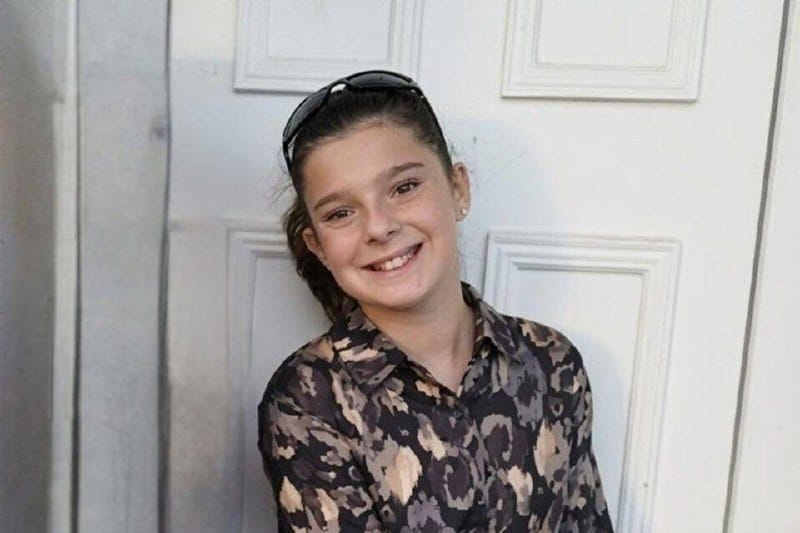
Likhanna's story in France has sparked public resonance, becoming a symbol of the sluggish procedures that can cost a child's life.
The story of 11-year-old Likhanna has provoked strong public resonance in France. The girl went missing after school, and a week later her body was found on an abandoned farm.
In connection with the case, the father of her friend has been detained, whom the investigation considers the main suspect. The investigation established that on the day of her disappearance, this man picked up Likhanna after school. French media also report that he had previously worked on the farm where the girl’s body was found.
After the detention, other circumstances of the case became known. According to the French press, as early as summer 2025, the mother of another 11-year-old girl reported to the police about violence committed against her daughter. This involved the same man who is now considered the main suspect in Likhanna’s case.
It is reported that the investigation already had medical reports and other materials related to the case at that time. Despite this, the man was not interrogated even nine months after the complaint was filed with the police.
Following the publication of this information, protests took place in various cities across France in front of court buildings. Participants demanded enhanced protection for women and children. Many stated that the tragedy might have been avoided if the complaint filed several months earlier had been addressed in a timely manner.
The mother of the girl who filed the complaint back in 2025 announced her intention to sue the state for serious administrative error (faute lourde).
French Minister of Justice Gérald Darmanin found himself under serious pressure. Opposition representatives and some public organizations demanded his resignation. The minister stated that he had previously sent circulars to prosecutors prioritizing the consideration of cases involving crimes against minors. According to him, the problem lies not in the absence of legal mechanisms but in their practical application.
Prosecutors and representatives of the judiciary, in turn, speak of a lack of investigators, overloaded services, and a large number of cases simultaneously in progress. The Minister of Justice has already ordered an investigation into unresolved cases concerning crimes against minors.
According to the French press, there may be approximately 70,000 complaints already in progress in various prosecutors’ offices across the country. The scale of public reaction has been so serious that Likhanna’s case is now being discussed at the level of the French government.
A meeting was held at Matignon with the participation of the ministers of justice, internal affairs, education, health, and other departments. Following the meeting, initial measures were proposed. Among them are conducting investigative actions in cases of crimes against children within no more than three months, tightening penalties for serial offenders, and additional changes planned to be included in the draft law on child protection.
At the same time, there are proposals to conduct a separate review of the actions of all participants in the system who dealt with such cases, as well as to create accountability mechanisms in cases where serious warnings about potential danger to a child go unaddressed.
Likhanna’s story has become a tragedy not only for one family. For France, it reflects a system in which the sluggishness of procedures can cost a child’s life.