
Mother’s Day in France: History and Traditions
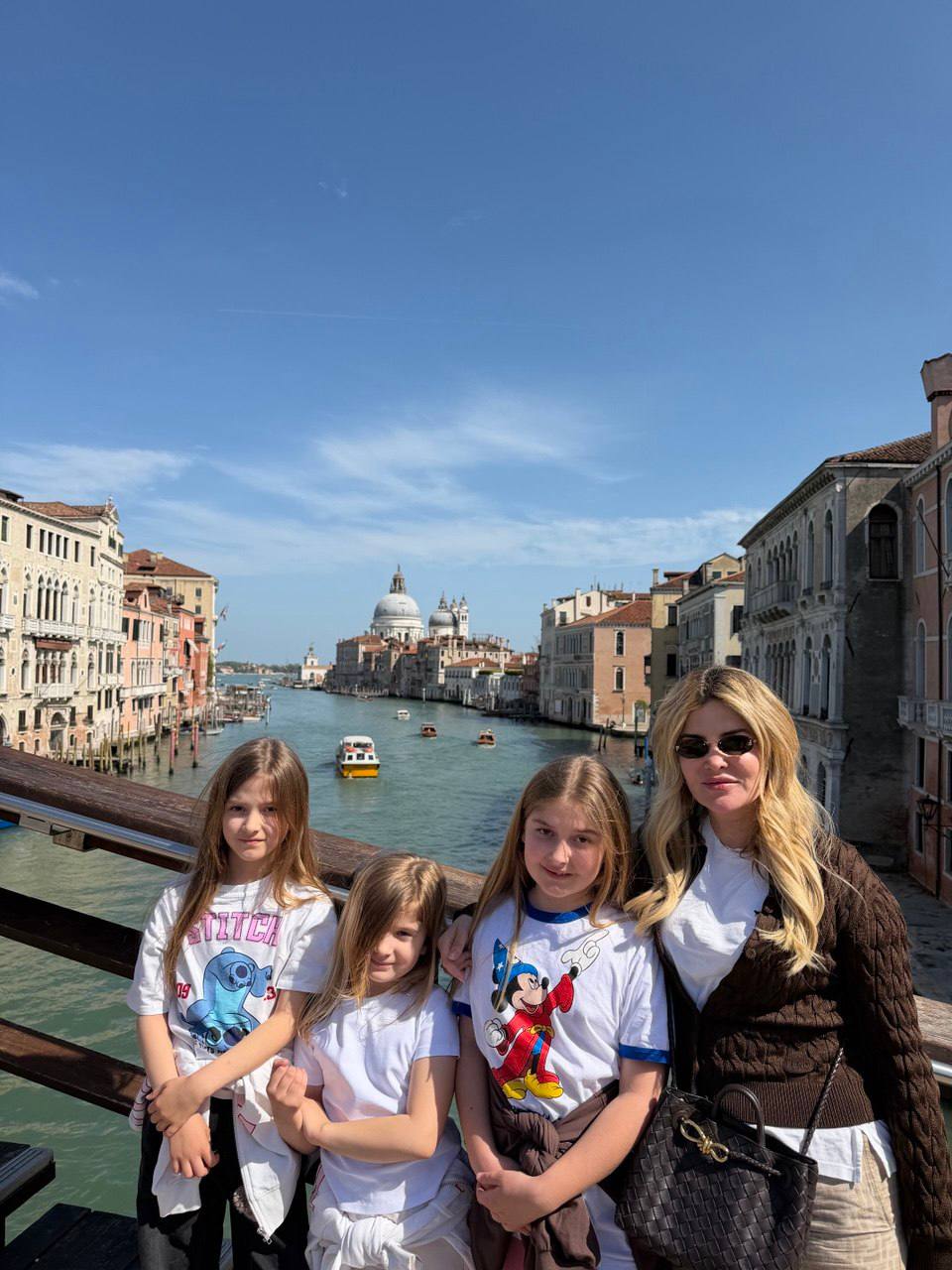
Mother's Day in France is a family holiday reflecting changes in society and the role of women. Learn about the history and traditions of this day.
Mother’s Day in France is a family holiday celebrated with special warmth. Flowers, family lunches, cards, and gifts that children prepare at school have become an integral part of this day. However, the history of the holiday is closely linked to changes in society, family, and the role of women in the 20th century.
The holiday emerged after World War I, when France faced a demographic crisis. The state sought to support families and increase birth rates. In the 1920s, official ceremonies honoring mothers of large families began to be held, and in 1950, the holiday was enshrined in law.
The period of economic recovery after World War II brought changes to family life. Household appliances ceased to be a luxury, allowing women to spend less time on domestic duties and more on self-development. During those years, household appliances were considered a desirable gift for Mother’s Day.
Over time, the status of women in society changed, and Mother’s Day became a family holiday dedicated to mothers and their role in family life. Some traditions remain unchanged: children prepare gifts for their mothers at school, among which cards and crafts are popular. Adults most often give flowers, houseplants, perfumes, and jewelry.
The most important aspect for French families remains the opportunity to spend this day together. Restaurants across France fill up with families gathering around a large table to celebrate this special day.